


What is the historical significance of Spirit #1 within the spirit art movement?
Created circa 1958, Spirit #1 is a key example of post-painterly abstraction's spiritual turn. It reflects the era's shift from raw gesture to ethereal, color-field-influenced works seeking transcendence, paralleling the philosophies of artists like Rothko and Newman.
What specific paper and finishing do you use for this museum-quality spirit art print?
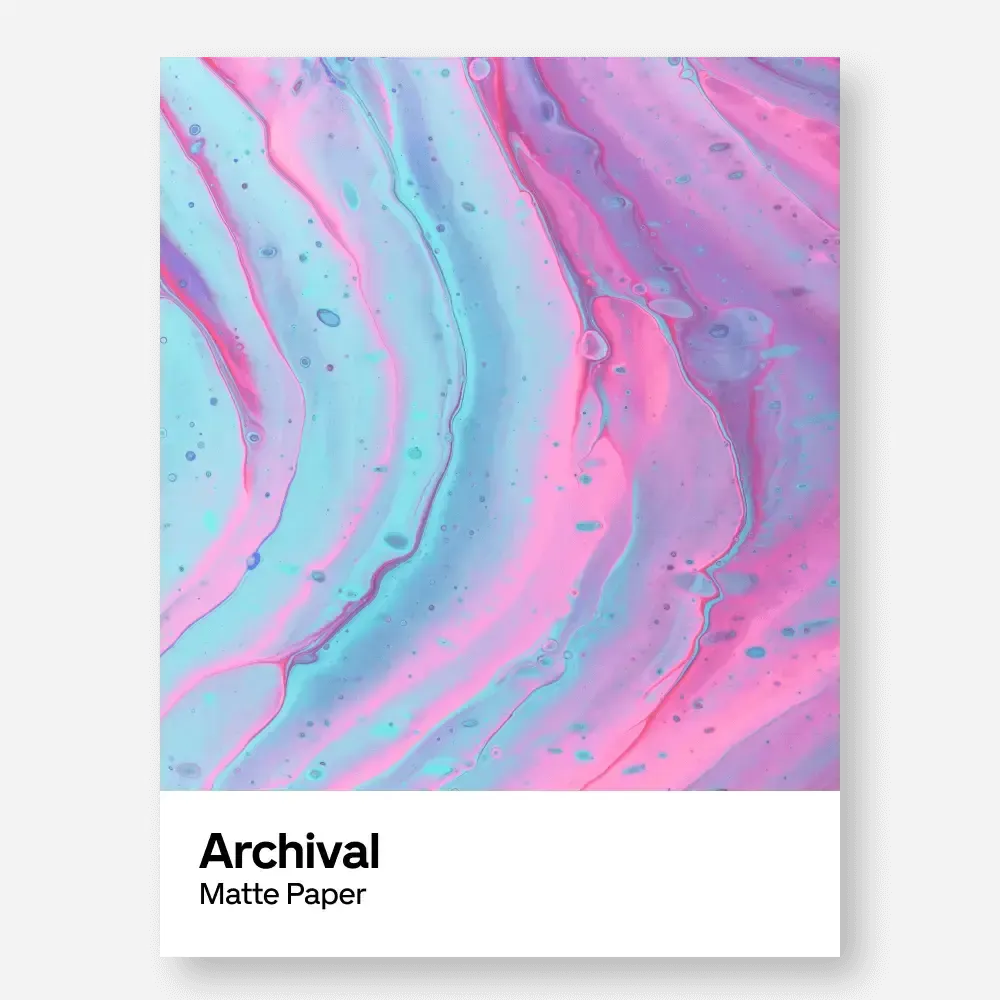
Each print uses 250 gsm FSC-certified, acid-free matte paper with a natural white (off-white) finish. This uncoated surface enhances depth and minimizes glare, meeting archival standards for fine art reproduction and long-term display.
How is my spirit art print shipped to prevent damage?
Prints ship flat in rigid, eco-friendly cardboard tubes with reinforced end caps. We use acid-free tissue paper separation and include handling instructions to ensure your spirit art print arrives in pristine condition, fully insured.
What guarantees the archival longevity of this fine art print?
Archival longevity is guaranteed through FSC-certified, pH-neutral (above 7) paper and pigment inks rated for 100+ years. This combination resists yellowing, fading, and degradation, preserving the print's spiritual and visual integrity.
Which original techniques are most visible in the Spirit #1 reproduction?
The reproduction captures the original's subtle stain technique—where diluted pigment soaks into raw paper—and fine, dry-brush edges. These textures, central to the work's spirit art expression, are rendered with exceptional clarity.
How should I frame and display my Spirit #1 print for optimal preservation?
Use archival-grade, UV-protective glazing and a(matboard] with a cotton rag or museum board backing. Avoid direct sunlight and humid environments to maintain the print's spirit art essence and physical stability for decades.